
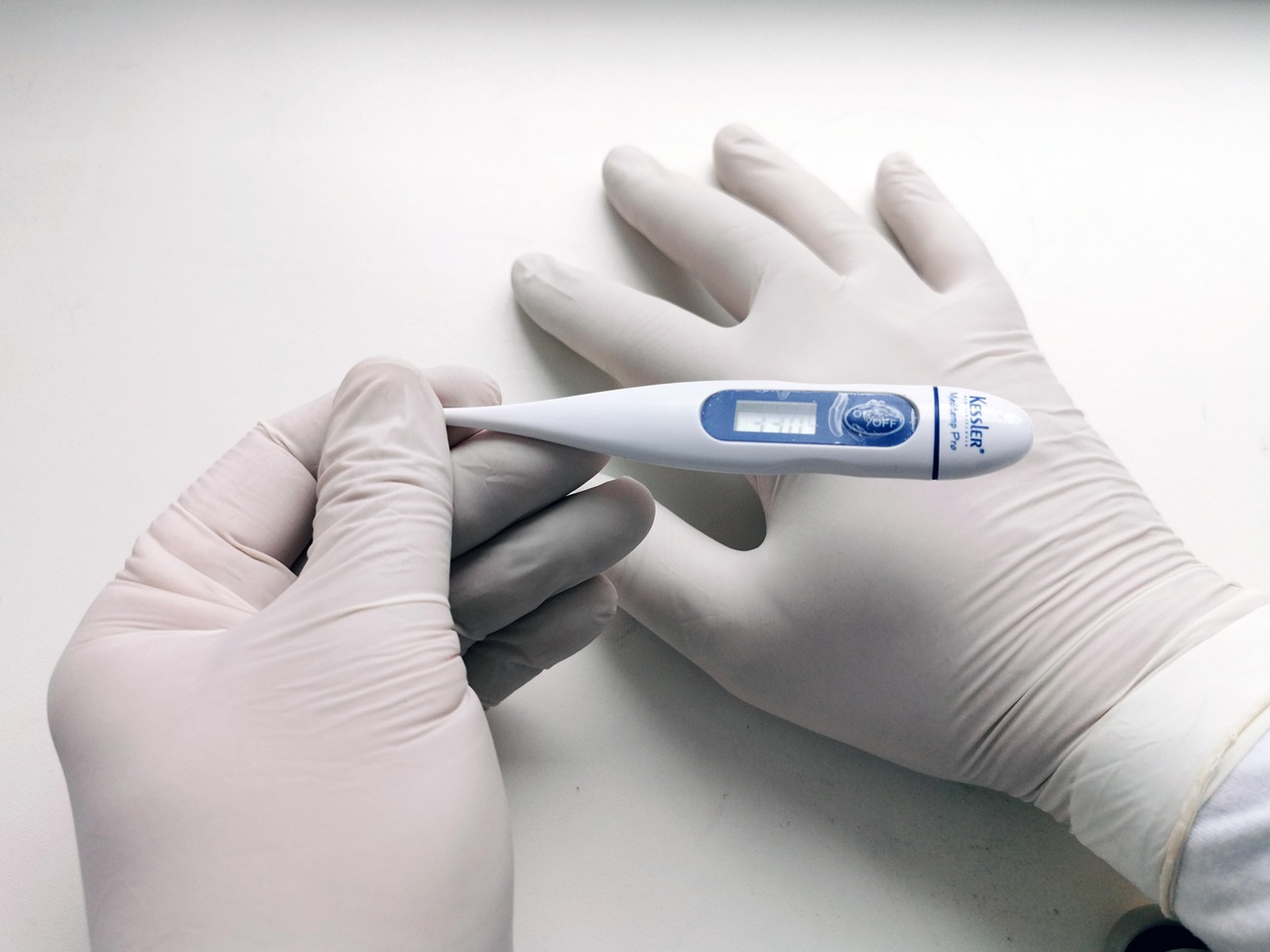
The medical profession has always been associated with great responsibility, requiring knowledge and the ability to make decisions in crisis situations. It is a job that combines learning, practice and empathy for the patient every day. Every doctor, regardless of specialization, must combine a solid theoretical foundation with practical experience, develop interpersonal competencies and shape mental resilience.
Medical knowledge – the foundation of every decision
In modern medicine, graduation is just the beginning of the road. Technological advances, new diagnostic methods and changing clinical guidelines make it necessary for a doctor to learn throughout his life. Medical knowledge, practical skills, empathy for patients and the ability to cope with stress form the foundation on which professionalism and success in this profession are built.
The basis of a doctor’s work is thorough theoretical knowledge. It includes anatomy, physiology, pathology, pharmacology, laboratory and imaging diagnostics. A doctor who understands the mechanisms of the human body and the causes of diseases can accurately diagnose and select appropriate treatment methods.
Regular study of professional literature, participation in courses, conferences and symposia allows the doctor not only to be up to date with the latest methods, but also to develop the ability to analyze clinical cases. Analysis of such cases allows to predict potential complications and prepare appropriate treatment strategies.
In practice, it is worth creating your own case notes, keeping diagnostic logs and analyzing errors – both your own and the team’s. Such systematic practice supports the development of critical thinking and decision-making skills under pressure, which are an integral part of working in a hospital or during emergency interventions.
Practical skills – theory in action
It is not enough to know – you need to know how to act. Practical skills include physical examinations, performing diagnostic and therapeutic procedures, interpreting test results, and responding to emergencies.
An excellent method of learning is to participate in on-call hours, hospital practices, medical simulations and work under the supervision of experienced mentors. Gradually increasing the difficulty of tasks – from simple procedures to complex interventions – allows you to gain confidence and precision in action.
Practice in a clinical environment also teaches teamwork. The doctor does not work in isolation – he cooperates with nurses, diagnosticians, other specialists and the patient’s family. Efficient communication and coordination of activities save lives and improve the quality of care.
In addition, it is worth learning how to use modern diagnostic equipment, use procedures that minimize the risk of complications and keep medical records in a precise way. Each such experience increases professionalism and self-confidence.
Empathy and communication – the patient in the spotlight
A doctor is not only an expert in diseases – he is also a person who builds the patient’s trust. The ability to listen, explain the diagnosis in an accessible way, as well as show understanding and psychological support are crucial in everyday work.
Communication includes both contact with the patient and cooperation within the medical team. Clear communication of information, reporting of the patient’s condition and the ability to persuade the team to take specific actions increases safety and efficiency.
Developing empathy and interpersonal competences allows you to better respond to the needs of patients, build a positive relationship and minimize the stress accompanying treatment. The ability to manage one’s own emotions and those of the patient in difficult situations is a key element of a doctor’s work.
Continuous development and mental resilience – preparing for challenges
Medicine is a dynamic and demanding field. Every doctor must constantly update their knowledge, learn about new procedures, drugs and technologies. Participation in trainings, specialist courses, symposiums and conferences allows you to maintain a high level of competence and keep up to date with trends in medicine.
At the same time, the work of a doctor requires mental resilience. Everyday decisions are of great importance, and stress and pressure accompany almost every case. Developing stress management techniques, maintaining a work-life balance, and taking care of your own mental health are key to being able to work effectively and with empathy throughout your working life. Good strategies include regular supervision sessions, coaching, mentoring, and mindfulness practices. They allow you to better manage your emotions, avoid burnout and maintain high quality patient care for many years of work.
Being a doctor is about continuous learning, practice, and personal growth. Medical knowledge, practical skills, empathy and mental resilience form the foundation of professionalism.
Those who treat learning as a continuous process gain experience, confidence and trust of patients. Success in medicine is the result of the systematic development of all these areas, and a doctor who combines science, practice and humanity can perform his profession with full satisfaction and influence on the lives of other people.